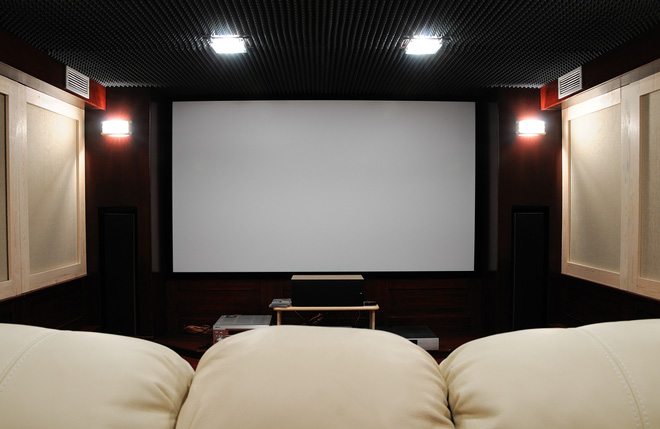
Audio visual systems are a popular addition to any New Zealand home. They can provide a streamlined entertainment experience from any room in your house as well as add value to your home.
Whether you are wanting a fully kitted out home theatre and entertainment system or a simple audio system to centralise your listening experience, it’s worth consulting an audio visual specialist to discover what options are available to you.
What are audio visual systems?
What are audio visual systems and how do they work? Audio visual systems are a combination of audio and video technologies designed to provide an immersive entertainment experience in the home.
These systems typically include a display, such as a TV or projector, a sound system, such as speakers, and a control interface, such as a remote or touchscreen. The components are interconnected using advanced wiring and networking technologies to provide seamless access to media content.
Common Uses of AV systems in New Zealand homes
There are many ways to implement an AV system in your home, but here are some of the most popular.
Home theatre systems
There’s nothing quite like the feeling of being at the movies. With AV systems, kiwis can bring this experience into their home with high quality surround sound, projector screens and custom lighting. No need for messy cables or 10 different remotes. By hiring a professional, homeowners can relax and enjoy their system without the stress of cable organisation or setup costs.
Multi-room audio
Multi-room audio systems are another popular use of AV systems in New Zealand homes. These systems allow you to stream music to different parts of the house, with different music playing in each room.
Multi-room audio systems can be controlled from a central location, such as a smartphone or tablet, and can be customised to suit the needs of the homeowner. So, one person can be listening to a podcast while cooking dinner, another listening to study music, and another listening to their favourite hits while in the shower! The possibilities are endless.
Home Automation
Home automation systems are another popular use of AV systems in New Zealand homes. These systems allow you to control various aspects of your home, such as the lights, temperature, and security, from a centralised location.
With a home automation system, you can easily adjust the settings to suit your needs, whether you’re at home or away. This makes it an excellent choice for homeowners who want to save energy, increase their home security, or simply make their daily routines more convenient.
Outdoor Entertainment
Outdoor entertainment spaces are increasingly popular among New Zealand homeowners, and an AV system can take it to the next level. An outdoor AV system can be designed to provide high-quality audio and visual experiences for movie nights, sports events, and other outdoor gatherings. Weather-resistant speakers, outdoor televisions, and projectors are among the equipment that can be incorporated into an outdoor AV system.
Home Office
With the rise in popularity of working from home, many New Zealand homeowners are investing into home offices. An AV system is the perfect addition to a home office as it can improve the functionality and experience of working from home. An AV system that includes a high-quality display, a reliable video conferencing camera, and high-quality speakers can make virtual meetings more engaging and effective.
Benefits of installing an AV system in your home
An AV system can provide a wide range of benefits that make it an excellent investment for any New Zealand homeowner. Here are just a few;
Removes the clutter
One of the most significant benefits of installing an AV system is that it can help to remove clutter from your home. With an AV system, you can eliminate the need for multiple devices, such as DVD players, cable boxes, and sound systems. Instead, all of these components can be consolidated into one sleek and modern unit, which can free up space in your living room or entertainment area.
Consistent audio and visual quality
Another benefit of an AV system is that it can provide consistent audio and visual quality, regardless of the source. With a high-quality AV system, you can ensure that your movies, video games, and music are always played at the highest possible resolution and with the best sound quality. This means that you can enjoy a more immersive and engaging experience, whether you’re watching a blockbuster movie or playing the latest video game.
Convenience
Another advantage of an AV system is that it can provide a high level of convenience. With a single device, you can control all aspects of your entertainment system, including audio, video, and lighting. This means that you can quickly and easily adjust the settings to create the perfect atmosphere for any occasion. For example, if you’re having a movie night, you can dim the lights, adjust the sound, and start the movie all with the touch of a button.
Diverse Content
Finally, an AV system can provide access to a diverse range of content. With streaming services like Netflix, Hulu, and Amazon Prime, you can access a vast library of movies and TV shows, as well as original programming. Additionally, with streaming music services like Spotify and Apple Music, you can access millions of songs and create custom playlists to suit any occasion.
What do homeowners need to consider before installing an AV system?
Age of the home
The age of your home should be one of the first considerations before installing an AV system as it can have a significant impact on the installation process, budget and performance of the system. Older homes may have outdated wiring and electrical systems that are not designed to handle the demands of modern AV equipment which can lead to electrical issues.
Additionally, older homes may have architectural features that can impact the acoustics and overall sound quality of an AV system. For example, high ceilings, hardwood floors, and large windows can create echoes and interfere with sound quality.
Budget
Homeowners should consider their budget before installing an AV system to ensure that they are able to afford the necessary equipment and installation costs associated with the system. Additionally, it is important to consider the budget to ensure that the system is suitable for their needs; for example, more expensive systems may include more features or better sound quality, but may be unnecessary for a homeowner’s purposes. It is also important to consider the budget to ensure that any additional costs associated with maintenance or upgrades can be covered.
Room Layout
The placement of furniture, windows, and doors can greatly impact the quality of the audio and visual experience. Similarly, the placement of the speakers and the television screen needs to be strategically planned to ensure optimal sound and visual performance. T
herefore, by considering the layout of the room beforehand, homeowners can make informed decisions about the type of audio visual system they need and where to place it for the best possible viewing and listening experience.
Purpose of AV system
Different audio visual systems are designed for different purposes, such as home theatre, gaming, or music playback. The system that works best for one purpose may not be optimal for another. Additionally, the size of the room and the number of people who will be using the system should also be taken into account.
By considering the purpose of the AV system beforehand, homeowners can choose the right type of equipment and accessories to ensure they get the best experience possible. This not only maximises enjoyment but also avoids potential issues such as incompatibilities, poor performance, or even damage to the system.
Control System
There are different control options available for AV systems including remotes, smartphone apps, voice assistants, and wall-mounted keypads. The choice of control depends on personal preference, convenience, and ease of use. For instance, a remote control may be ideal for simple systems, while a smartphone app may offer more advanced features and integration with other smart devices.
Additionally, it’s essential to ensure that the control option chosen is compatible with the AV system and other devices in the home. By considering the control options beforehand, homeowners can choose a solution that is easy to use, reliable, and meets their specific needs.
Convinced on an AV system for your home but don’t know where to start? A professional AV installer can give you all the different options available as well as an estimate on price for a system for your home.